Nearly everybody has their own unique piece of advice when it comes to Why Are My Faucets Dripping (And Can I Fix It Myself)?.
/repair-leaky-single-handle-cartridge-faucet-1824629-07-ace20468c6c74540b56d49454f7a491e.jpg)
Leaking faucets may look like a small inconvenience, but their impact goes beyond simply the annoyance of the sound. From wasting water to incurring unnecessary economic expenses and health threats, ignoring a leaking tap can cause various consequences. In this write-up, we'll delve into why it's critical to resolve this common household concern quickly and effectively.
Waste of Water
Ecological Impact
Leaking taps add substantially to water wastefulness. According to the Environmental Protection Agency (EPA), a solitary tap leaking at one drip per secondly can throw away more than 3,000 gallons of water per year. This not only strains water resources but also impacts communities and wild animals depending on them.
Step-by-Step Overview to Dealing With a Dripping Tap
Devices Required
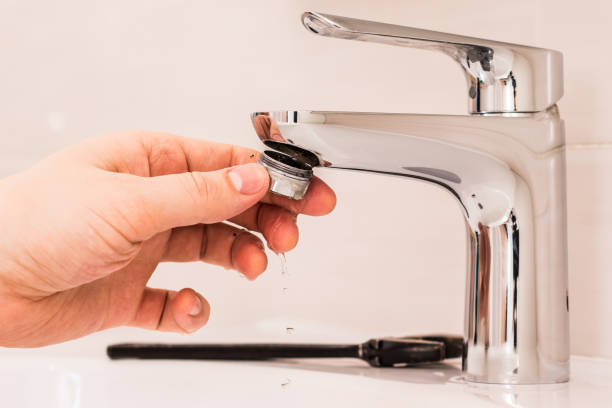
Prior to attempting to deal with a trickling tap, collect the required tools, consisting of a flexible wrench, screwdrivers, replacement components (such as washers or cartridges), and plumber's tape.
Typical Faucet Issues and Their Solutions
Identify the type of faucet and the certain problem triggering the drip. Common troubles consist of worn-out washing machines, rusty shutoff seats, or damaged O-rings. Refer to supplier guidelines or on the internet tutorials for detailed support on fixings.
Financial Expenses
Increased Water Bills
Beyond the environmental influence, trickling faucets can pump up water costs substantially. The collected waste with time translates into greater utility costs, which might have been avoided with timely repair services.
Prospective Building Damages
In addition, long term trickling can result in damage to components and surfaces surrounding the tap. Water accumulation can create discoloration, deterioration, and also architectural concerns if left unattended, resulting in extra fixing expenses.
Health and wellness Concerns
Mold And Mildew and Mildew Growth
The constant existence of wetness from a dripping faucet creates a perfect setting for mold and mold growth. These fungi not just compromise indoor air high quality but also posture health and wellness threats, especially for people with respiratory system conditions or allergic reactions.
Waterborne Conditions
Stagnant water in trickling taps can come to be a breeding place for germs and other microorganisms, raising the threat of waterborne conditions. Contaminants such as Legionella microorganisms thrive in stagnant water, possibly causing serious illnesses when consumed or breathed in.
Do it yourself vs. Expert Repair service
Pros and Cons of Do It Yourself Fixing
While some may attempt to repair a dripping faucet themselves, DIY fixings include their very own set of challenges. Without correct understanding and tools, do it yourself attempts can exacerbate the concern or lead to insufficient repair services, extending the trouble.
Advantages of Hiring an Expert Plumber
Working with a specialist plumber guarantees that the underlying source of the trickling faucet is resolved efficiently. Plumbers possess the know-how and devices to identify and repair faucet concerns successfully, saving time and decreasing the threat of additional damage.
Environmental Responsibility
Individual Contribution to Preservation
Taking duty for dealing with dripping taps aligns with more comprehensive initiatives toward water preservation and ecological sustainability. Every individual's actions collectively make a substantial influence on preserving precious sources.
Lasting Living Practices
By focusing on punctual fixings and adopting water-saving habits, people contribute to sustainable living practices that profit both existing and future generations.
Safety nets
Regular Upkeep Tips
To prevent dripping faucets, execute regular maintenance such as cleaning aerators, inspecting for leaks, and replacing worn-out parts without delay. Furthermore, think about installing water-saving devices or updating to extra reliable components.
Importance of Prompt Repair Works
Dealing with dripping taps as quickly as they're observed avoids additional water wastefulness and prospective damage, eventually conserving both water and cash in the long run.
Effect On Property Value
Assumption of Well-Maintained Home
Keeping a building in good condition, consisting of addressing upkeep concerns like trickling faucets, improves its perceived worth and value among prospective buyers or lessees.
Influence on Resale Worth
Properties with well-maintained plumbing components, including taps, command higher resale values in the real estate market. Attending to trickling faucets can contribute to a positive perception throughout residential or commercial property examinations and arrangements.
Conclusion
Resolving a dripping faucet surpasses simple ease; it's an important action toward conserving water, lowering financial expenses, and protecting health and wellness and home. Whether with DIY repair work or specialist assistance, taking action to fix dripping faucets is a tiny yet impactful means to advertise accountable stewardship of sources and add to a healthier, a lot more sustainable future.
Most Common Reasons for a Leaky Faucet and How to Stop the Drip
Whether it’s your kitchen faucet leaking or a bathroom faucet leaking, one leaky faucet can waste anywhere from three to 30 gallons of water every single day. If the constant drip-drip-drip doesn’t get your attention, your water bill will. The good news is that, by following a few simple steps, chances are pretty good you can fix the problem yourself.
Why is it dripping?
Before you start taking things apart, let’s break down some of the most common causes of a leaky faucet.
Bad O-ring.
A cartridge is a valve that controls the flow of water into the faucet spout. On cartridge faucets there’s an O-ring—the little disc attached to the stem screw that holds the faucet handle in place. If it’s loose or worn-out, it can cause your sink handle to leak. Of course, the cartridge itself could be worn out. If that’s the case, make sure you replace it with the exact same kind.
Corroded valve seat.
The valve seat connects the faucet and the spout. If the leak seems to be coming from the spout, it might be because a buildup of water sediment has corroded the valve seat.
Worn-out washers or seals.
A leaky spout could be caused by a bad washer that rests against the valve seat. It’s just a matter of time before friction takes its toll. It could also be the wrong size washer or one that’s been installed incorrectly. Water sediments can also corrode inlet and outlet seals.
Water pressure.
If the faucet only drips now and then, or when you turn the handles a certain way, you should probably check your home’s water pressure.
Loose or broken parts.
The adjusting ring and packing nuts in the stream screw can become loose over time, causing your sink handle to leak. Try tightening or replacing the packing nut. If the leak is coming from the pipes underneath the sink, you probably have a broken pipe or fitting. If that’s the case, you should definitely call a plumber.
Know your faucet.
Faucets come in a variety of types. Each one has its own assembly—and its own possible causes of leaks. Learning about the four most common kinds of faucets will help you know how to take them apart and make any repairs.
How to stop a leaky faucet
Fixing that leaky faucet doesn’t have to take a lot of time, money, or expertise. It’s usually a simple matter of replacing a worn-out washer or gasket, a loose O ring, or another part. Chances are really good you can do this yourself if you follow these simple steps.
Shut off the water.
Before you tackle the faucet, cut off the water supply to the sink. There should be one valve for hot and one for cold. Hand-turn them clockwise with your hands till they close. If there are no valves under the sink, head to the basement and shut off the main water supply to the house. Then turn on the faucet until it empties out the water that’s still in the line and you’re ready to start. It’s a good idea to cover the sink drain with a plug or a rag so you don’t lose any small pieces and parts while you’re working.
As a keen person who reads on Why Are My Faucets Dripping (And Can I Fix It Myself)?, I think sharing that excerpt was essential. Sharing is nice. One never knows, you could be doing someone a favor. Thank-you for taking the time to read it.